
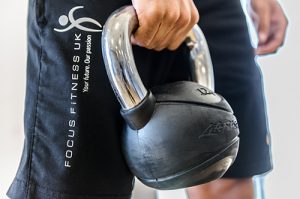
If you have just obtained your Diploma in Personal Training and you are excited about sharing your love for fitness with your clients, one thing you should keep in mind is the importance of good gym hygiene. A study by FitRate has found that free weights have 362 times more bacteria than a public toilet. Since the gym is a place where people sweat and share equipment and surfaces, it is important for your clients to ensure the equipment they use and leave behind is clean and bacteria-free.
What are the least hygienic pieces of equipment?
CFU levels let you know exactly how much bacteria is on each piece of gym equipment. According to the above-mentioned study, the piece of equipment with the highest CFU count is the treadmill, followed by the exercise bike, and free weights. Over 70% of the bacteria found is harmful to human health – including staph bacteria, fungi (which causes athlete’s foot), and ringworm (which causes scaly circles to appear on skin). Not all these bacteria will necessarily make you sick if you come into contact with them. Moreover, staph bacteria is normally passed from person-to-person rather than from surface-to-person. But by keeping workout surfaces clean, you can do plenty to reduce your own and your client’s risks of infection.
Important advice for clients
Instruct clients to clean equipment before and after using it. The easiest way to do so is with anti-bacterial wipes, which they should apply to the surfaces they touch and sit on. Shower etiquette is also key. Prior to your first appointment with a client, let them know of the equipment they will need. Ask them to bring non-slip shower slippers, which will prevent them from getting plantar warts or fungus. The way they change clothing is also key; their bare feet should never touch the floor, even while changing. Areas like benches in changing rooms should be wiped down as well since people tend to sit on them in their wet workout gear.
Keeping germs away from home
If you thought that gym etiquette was sufficient to save clients from illness, remember that their gym bag can potentially bring these diseases into their home, putting others at risk as well. Dirty clothing should be placed into a plastic bag, not directly into the gym bag. Clients should opt for a washable gym bag that can withstand high temperatures (over 60ºC) to kill any germs. In between washes, an anti-bacterial spray should be applied to the bag. The latter should be stored in dedicated furniture and should not be placed on tables and chairs.
To keep clients safe from common gym germs, a few basic precautions are key. All gym clothing, towels, and mattes should be washed or cleaned after every use. Bags should also be washed because they can easily pick up germs from a variety of surfaces. Finally, clients should always bring anti-bacterial wipes or a spray, to keep equipment clean for themselves and others.
Guest Post by Jane Sandwood