
In the modern world, with all the widely supported research which is certain about our health, the immune system is still a topic under heavy research. There is evidence to suggest that there are significant links between improved immune function and lifestyle but the evidence is not conclusive. However, although the data can be unclear, it is still important to acknowledge some of the common physical, dietary and wellbeing habits which do claim impact the body’s immune response and how we can adapt healthier living habits to our own lifestyles to help improve the future of our body’s health. Let’s begin by taking a look at some of the common assumptions about improved immunity and truly reveal their effects:
EXERCISE

Evidence supporting increased exercise and improved bodily health has been widely respected, such as: lower blood pressure, improved cardiovascular function and with new evidence supporting increased brain function. But does exercise increase the body’s immune response? Well the question is an odd one, increased activity will lead to increased blood flow and improved blood circulation which in turn will improve cell transportation, which in theory would lead to improved immune response. Now although exercise can help improve the body’s immune system indirectly, can it directly improve the body’s response? The real answer is, we are not entirely sure… yet! There is limited research on the topic, one study compared the blood pools of sedentary older males and trained older cyclists showing that the trained cyclists had a higher amount of T-Cells than the sedentary participants. However research is still very limited, this study only takes a look a cycling, it remains unsure which type of exercises may or may not improve the body’s immune response. Current research is being investigated to determine whether exercise directly affects a person’s susceptibility to infection by looking at the effects of extreme amounts intensive exercise on the body’s immune balance. However until then it is best to assume that exercise will only improve your health as a whole and although it is not yet certain whether it improves the body’s immune response directly, it is safe to say the positives of training do outweigh the negatives.
STRESS

Over time the world of health and wellbeing has begun to adopt the close relationship of mind and body, such as emotional stress which has been known to lead to a variety of bodily dysfunctions such as upset stomachs, high blood pressure and even CHD. Stress in particular can suppress the body’s immune response and as result increase susceptibility to colds etc. With proper maintenance of our stress levels, we may be able to influence our body’s immune response, such as the breathing and relaxing techniques published in a Harvard Health post.
SUPPLEMENTS
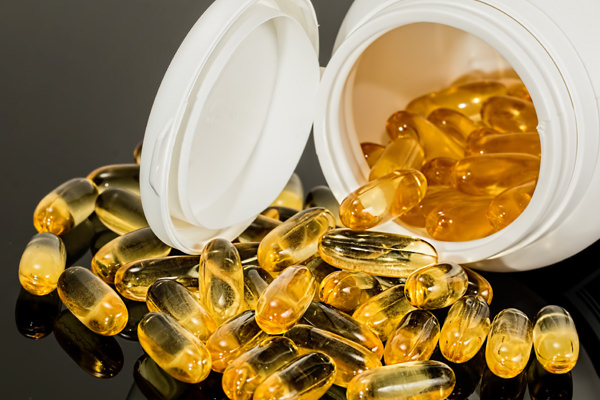
This is a big one because there are more than enough different supplement options for improved immune function such as herbal pills and drops, some claim these herbal remedies boost the health of your immune system overtime etc. Although some preparations have been found to alter some components of immune function, there is no evidence that they actually supports an improved immunity to the point where one is better protected against infection or disease. Let’s say you google a particular supplement to understand its effect on immune function, you will of course find more results which support its function. Though this may be true in some cases, the results from studies are still preliminary and scientists are researching into whether an increase in antibodies by some supplements does have a positive effect on the immune system. But more important than supplements is our diet. Are you smoking? Are you eating greasy food? Are you not drinking enough water? If you fall into anyone of these categories, then you can forget supplements.
End note: Protection of the body’s immune system is vital. We as a generation, making new breakthroughs in the world of health, need to appreciate the body’s most important line of defence and learn to treat it with better care, for example regular physical activity, improved diets, improved mental health etc. Once we are able to do this, we can focus more on the extras. We hope you have enjoyed this post, to keep you interested in the topic of immunity we have included a link to a microscopic visual of the immune system in action displaying white blood cells attacking foreign substances in the body, we hope you enjoy.
Written by Daniyal Siddiqui.