So if you’re wondering why we’re writing a regression post for beginner clients in the middle of summer when they would be ghostwriter doktorarbeit, you would be right to an extent. Although January and February are when we see the majority of gyms reach their capacity (courtesy of the infamous resolution believers), you would be surprised by how busy gyms can get during the summer and bachelorarbeiten kaufen. With everyone in a good mood thanks to the hot weather, people are more inclined to train, I guess what we’re trying to say is ghostwriter online-klausur – erfahrung. Nonetheless, regression exercises are useful all year round and whether you’re just starting out or if you’ve been in the game long, there’s always a place and time for regression movements, whether that be masterarbeit. We hope you find these exercises useful, remember to share this post on Facebook so your friends and family can benefit from the exercises too. Please note that we have listed the name of the exercise goal as the subheadings and the name of the regression exercise can be found in the subsequent paragraphs. So without further ado, let’s get into it!
1. The Push Up

With this exercise, there are really quite a few ways to approach it. A lot trainers preach the kneeling push up as the best regression for this exercise. Although the kneeling push up is a good regression exercise for someone with some existing upper body strength, the exercise is almost of no value to someone who has never used their upper body to lift anything more than a pencil. Instead, we suggest the elevated push up; an excellent alternative to the push which effectively trains the upper body in a similar range of motion. With this exercise, begin using the wall as elevation and have your client their feet a feet away from the wall and slowly press to and from the wall. Over time use a box instead of the wall to press from and lower the height of the box as the client becomes stronger. You can thank us later.
*BONUS: Use a box to elevate the feet instead as a progression exercise when push ups become a piece of cake.
2. The Pull Up
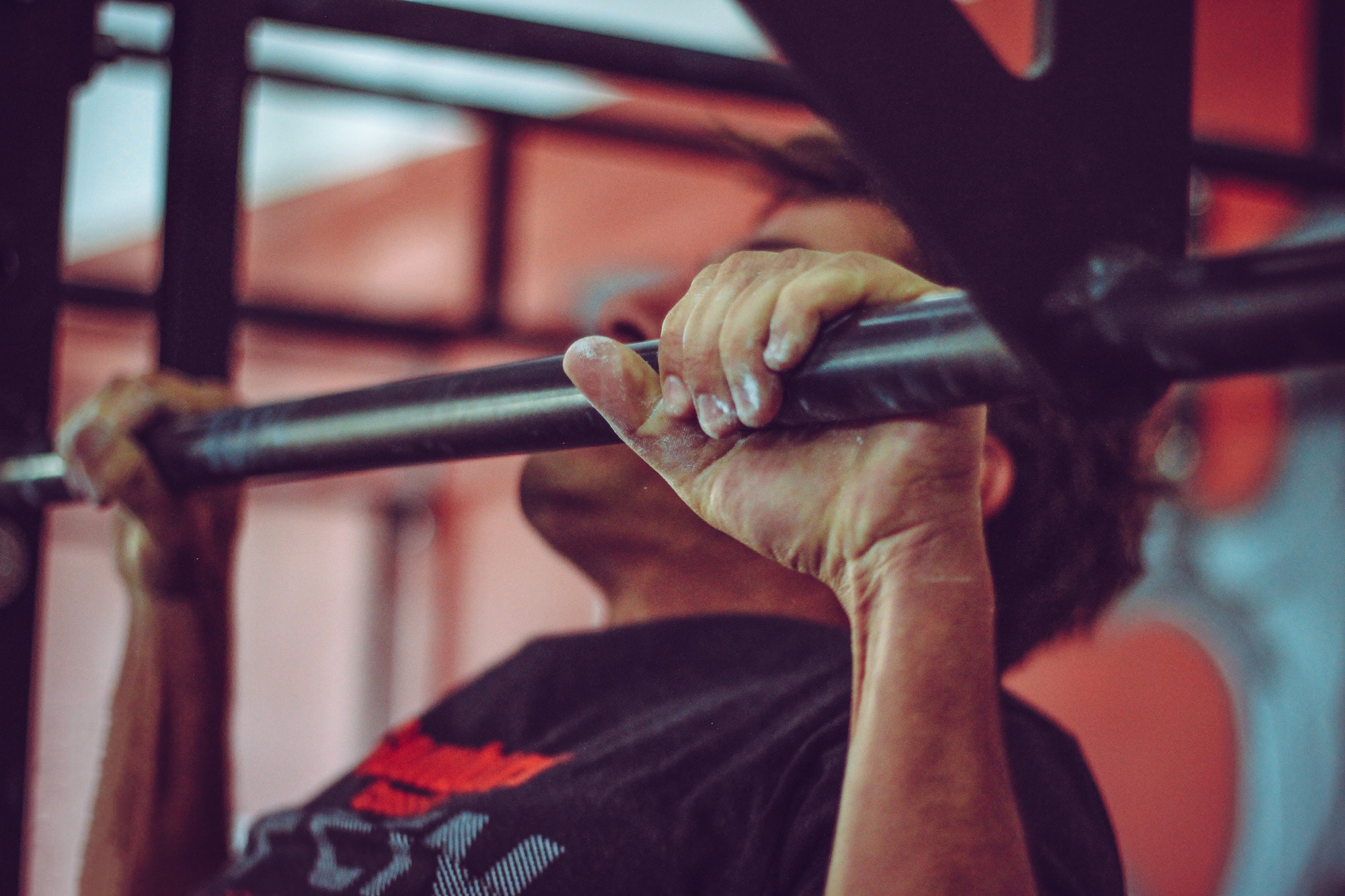
Arguably the best exercise for the upper lats is the pull up and yes there are plentiful variations to the pull up with regards to grip, but nonetheless this progression exercise can be used with any grip all you need is band. The banded pull up is excellent because it trains both the concentric and eccentric part of the movement, don’t be mistaken however, jumping pull ups have their place, but banded pull ups help a client get used to the range of motion expected in a pull up. First begin with the right band, they come in different resistances and it is important to use the right band depending on how many unassisted pull ups your client can do, there are plenty resources online to help you choose the right band. Attach the band to the center of the pull up bar, stretch the band and have your clients grip the bar and either place their feet or knees into the band depending on their strength, start with the feet first to see how they perform.
3. The Squat

This is likely the most common exercise in any gym and still to this day the most argued debate, but more so on form and technique than regression. Whatever your beliefs are on the correct way to squat, so long as you are consistent with your teachings, this regression can be used to effectively work a client up to squating with the correct muscular activation. The box squat is somewhat a debated exercise, some trainers/coaches vow that it is essential and some preach against it. It is prudent to programme the box squat to get your client used to activating their quads during the concentric part of the movement. Begin by having your client stand in front the box holding your hands for assistance. Let them squat, ever so slightly touch the box not sit, and return back up the the standing position. Over time lower the height of the box and give your coaching tips throughout the regression movements.
4. The Sit Up
To some, the most dreaded exercise and mostly because the soreness you feel during a core exercise is instant and you have to fight through it to reap the benefits, essentially like any exercise. Although the sit up is far from the best core exercise for any reason unless your goal is to work the core the upper range of motion, it is still a great way to test core strength especially for beginners. If you find your client can not yet perform a sit up correctly, have them perform a plank to test their static core strength and then regress the sit up by prescribing leg raises. First make sure their hip flexors are lose and their hamstrings are stretched, then have them lie down and raise their legs to the ceiling ensuring the legs are straight and their core is engaged.
5. The Lunge

Most people who struggle with the lunge, assuming they are not touching their knee to the ground, struggle during the concentric and the isometric portion. This could likely be due to the quads not being strong enough in a static position or the glutes not being strong enough for concentric contraction. Use a wall sit to help your client train their quads in a static position and use a glute bridge to work their glute strength in a more isolated exercise. Increase the reps and length of hold time for the two exercises then move to static lunge holds.
We hope you found this post useful, remember everyone starts somewhere and it is always important to test and retest a client’s strength before performing any exercise no matter how rudimentary the exercise so as to avoid injury and prescribe regression or progression exercises where necessary. If you found this post insightful, why not check out some of our previous posts on our blog page or if you are interested in becoming a qualified personal trainer check out our main page for course information and if you have any questions feel free to email us at in**@************uk.com.
Written by Daniyal Siddiqui.