
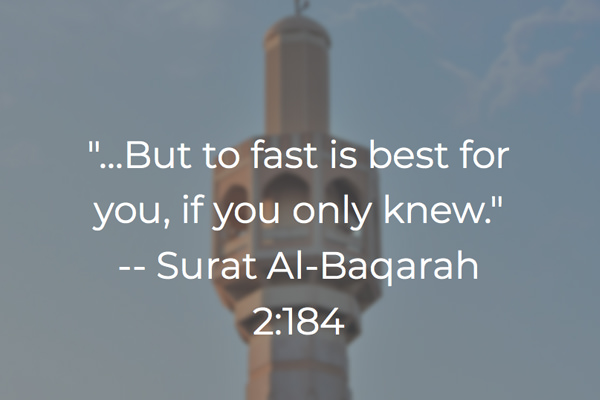
Ramadan falls on the ninth month of the Islamic calendar and consists of 30 days of fasting which is mandatory for all Muslims, with exceptions. This means all Muslims must refrain from all consumption of food and water for a period of 30 consecutive days between the hours of sunrise and sunset. For a more detailed explanation of this Islamic month, click this link. As we mentioned in a previous blog of ours, “5 Diet Foods to try in 2018” we predicted that intermittent fasting would become even more popular this 2018, mainly because of its positive effects on body composition and health. Although we do refrain from suggesting restrictive diet crazes for you all to try out, we investigate whether fasting is a good method for detoxifying the body. But to understand this in more detail we need to analyse the research and then look at how we can apply this to our active lifestyles, thus reaping the best of rewards.
THE RESEARCH ON FASTING
Although Intermittent Fasting still remains in its infant stages of diet crazes across the world, it does have a broad amount of recent research surrounding its effects on the body. One 2017 study looked at a “Comparison of Intermittent Fasting Versus Caloric Restriction in Obese Subjects” and discovered positive effects on the body with both, with a monthly ~1lb reduction in body weight and a significant decrease in BMI over time. Additionally, Intermittent fasting resulted specifically in the enhancement of health and cellular resistance to disease and it is assumed that this is due to the changes in eating and sleeping patterns when fasting. Another study in 2005 focused on “Alternate-day fasting in nonobese subjects” and looked into the effects on body weight, body composition, and energy metabolism. This study found a 2.5% reduction in initial body weight and 4% reduction in body fat mass concluding that fasting is a feasible option in nonobese subjects. Fat oxidation did increase however, the research found that participants would be less inclined to continue the diet after the prescribed time because hunger did not show a decrease over the course of the study. We will discuss the importance of this point later on. To look at fasting from a different perspective, a 2013 study looked into the effects of short-term water-only fasting discovering an acute increase in human growth hormone, haemoglobin, and red blood cell count, with a decrease in triglycerides and weight. The studies will continue as researchers seek conclusivity, but we’re guessing that you get the point. Intermittent fasting works and not only does it work but it a healthy option for a health detox which in theory is practiced by 1.8 billion people (Muslims) around the world, but so far we’ve only looked into the effects of intermittent/alternate day/water-only fasting on the human body, what about 30 days of Ramadan?
THE RESEARCH ON RAMADAN
Given the main focus of our blogs, though not limited to, is fitness, we thought we’d begin with a study which looks at the “Effect of Ramadan Fasting on Body Composition and Physical Performance in Female Athletes“. The study took 12 voluntary female athletes and investigated the effects on body composition and performance before, during and after the month of Ramadan. The conclusion is that fasting during Ramadan could affect body composition, but not physical performance in female athletes. However, if you are still concerned about your own physical performance next month, take a look at this post on Pinterest for an alternative way to structure your training during Ramadan. Interestingly one meta-analysis looked into the effects of Ramadan on the body’s immune system, one conclusion found positive effects such as beneficial effects on cardiac patients including the improvement of your lipid profile and alleviation of oxidative stress among many other observations.
Additional Thoughts: Ramadan is a healthy experience for your body especially when carried out safely, however, the positive effects are not just physical but mental and spiritual too. To better illustrate this feel free to watch the video below and email us your thoughts at in**@************uk.com:
If you found this post insightful, why not check out some of our previous posts on our blog page or if you are interested in becoming a qualified personal trainer check out our main page for course information.
Written by Daniyal Siddiqui.